
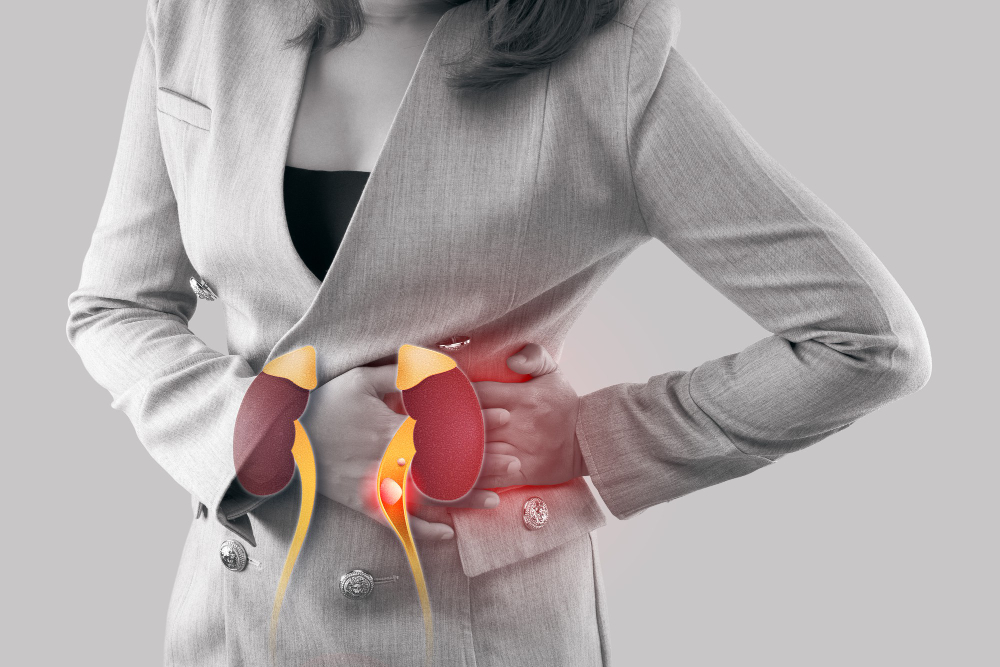
What Are Ureteric Stones?
Ureteric stones are small, hard deposits that form in the ureter. The ureter is the tube that carries urine from the kidney to the bladder. Often, these stones are made of minerals and salts. Because they block the flow of urine, they can cause pain and other problems. Ureteric stones are a common health issue worldwide. According to the World Health Organization, kidney and urinary stones affect millions each year.
Common Symptoms of Ureteric Stones
Usually, symptoms of ureteric stones appear when the stone moves or blocks urine flow. However, some people may not notice symptoms until the stone causes a problem. Common signs include:
Because these symptoms can be severe, it is important to seek medical help if you notice them.
Causes and Risk Factors
Ureteric stones form when minerals in urine stick together and make crystals. Over time, these crystals grow into stones. Several factors can increase your risk:
Because risk factors can add up, it is wise to know your personal risks.
Diagnosis Methods
Doctors use several ways to find ureteric stones. First, they ask about your symptoms and medical history. Next, they may do a physical exam. Common tests include:
Because early diagnosis helps prevent problems, do not delay seeing a doctor if you have symptoms.
Treatment Options for Ureteric Stones
Treatment for ureteric stones depends on the stone’s size, location, and your symptoms. Sometimes, small stones pass on their own. However, larger stones may need medical help. Common treatments include:
Because each case is different, your doctor will choose the best treatment for you. The CDC and medical journals recommend early treatment to avoid kidney damage.
How to Prevent Ureteric Stones
Prevention is important, especially if you have had stones before. Here are some tips on how to prevent ureteric stones:
Because prevention is easier than treatment, these steps can help lower your risk.
Lifestyle Guidance for Patients
Living with ureteric stones can be stressful. However, simple lifestyle changes can make a big difference. Try these tips:
Because support matters, talk to your healthcare team if you have questions or concerns.
Conclusion
In summary, ureteric stones can cause pain and other complications, but early detection and proper care improve recovery. Consult Dr Deepak Taneja a urologist at PP Maniya Hospital for personalized advice and effective management of ureteric stones.