
What is Nocturia?
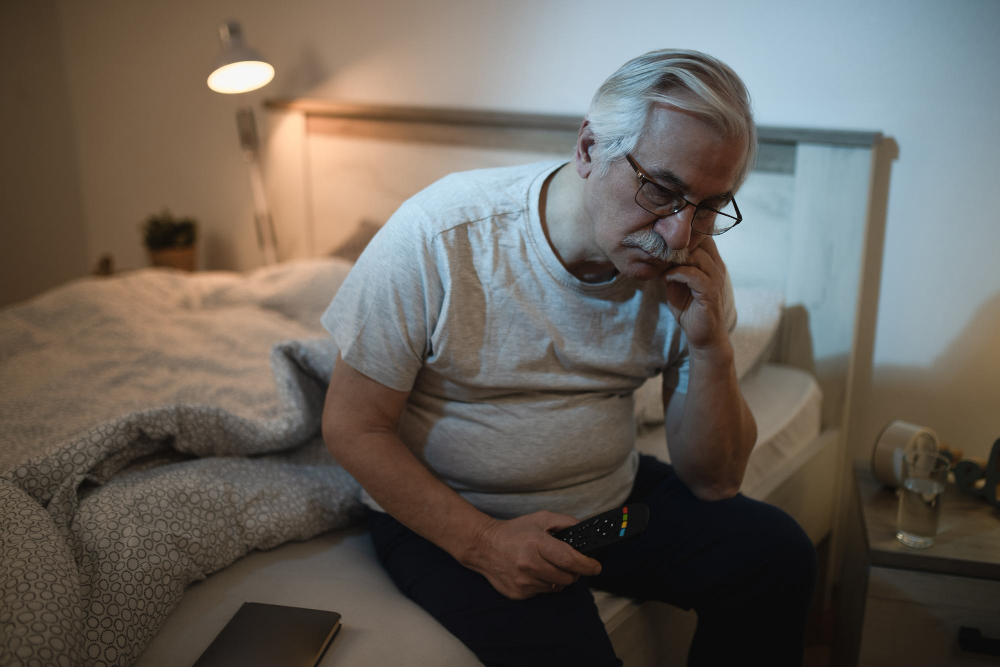
Nocturia is a condition where you wake up at night to urinate. Many people experience this, but frequent urination at night can disrupt sleep. As a result, you may feel tired during the day. Nocturia can affect anyone, but it is more common as people get older. According to the CDC, nocturia is not a disease itself. Instead, it is a symptom of other health issues. Understanding nocturia can help you seek the right treatment and improve your sleep.
Common Symptoms of Nocturia
People with nocturia notice certain signs. For example, you may wake up one or more times each night to use the bathroom. This can make it hard to get enough rest. Other symptoms may include:
Because these symptoms can affect your daily life, it is important to pay attention to them. If you notice these signs often, consider talking to a healthcare provider.
Causes and Risk Factors
Nocturia has many possible causes. Sometimes, it is due to drinking too much fluid before bed. However, other times, it may signal a health problem. Common causes and risk factors include:
In addition, some people are more likely to develop nocturia. For instance, older adults and those with chronic illnesses face a higher risk. Understanding these causes can help you and your doctor find the best nocturia treatment.
How Nocturia is Diagnosed
Doctors use several steps to diagnose nocturia. First, they ask about your symptoms and medical history. Next, they may perform a physical exam. Often, you will be asked to keep a diary of your urination habits. This helps track how often you wake up at night. In some cases, doctors order urine tests or blood tests. These tests can check for infections or other health problems. Sometimes, more tests are needed to look at your bladder or kidneys. Early diagnosis can lead to better treatment options.
Treatment Options for Nocturia
Treating nocturia depends on its cause. For many people, simple lifestyle changes can help. However, some may need medication or other treatments. Common nocturia treatment options include:
Sometimes, doctors may suggest surgery if other treatments do not work. But most people find relief with less invasive options. Always discuss treatment choices with your healthcare provider.
Tips for Managing and Preventing Nocturia
There are steps you can take to manage nocturia at home. For example, you can:
Additionally, try to avoid foods and drinks that irritate the bladder. These include spicy foods, citrus fruits, and artificial sweeteners. If you notice changes in your urination habits, seek medical advice. Early action can help prevent complications.
When to See a Doctor
If nocturia affects your sleep or daily life, it is time to see a doctor. Also, if you notice pain, blood in your urine, or sudden changes, seek help right away. Your doctor can help find the cause and suggest the best treatment for you.
In summary, nocturia can disrupt your sleep and daily life. However, with the right steps, you can manage and even prevent it. Consult Dr. Deepak Taneja at PP Maniya Hospital for personalized advice and expert care on nocturia.