Introduction
Kidney stones are hard mineral deposits that form inside your kidneys. They can cause severe pain and other health problems. Many people do not realize that diet plays a big role in kidney stone formation. In fact, certain foods can increase your risk. Knowing the foods that can cause kidney stones helps you make better choices. By avoiding these foods, you can protect your kidney health and lower your risk of stones.
What Are Kidney Stones?
Kidney stones are small, hard lumps made of minerals and salts. They form when your urine has too much of certain substances, like calcium or oxalate. As a result, these substances stick together and form stones. Sometimes, kidney stones can pass on their own. However, larger stones may need treatment. Common symptoms include pain in your back or side, blood in urine, and frequent urination.
How Diet Influences Kidney Stone Formation
Diet is a key factor in kidney stone risk. Some foods add more minerals or salts to your urine. When these build up, stones can form. For example, eating too much salt or animal protein can make your body lose more calcium in urine. This can lead to stones. On the other hand, drinking enough water and eating the right foods can help prevent stones. Therefore, making smart food choices is important for kidney health.
Foods That Can Cause Kidney Stones
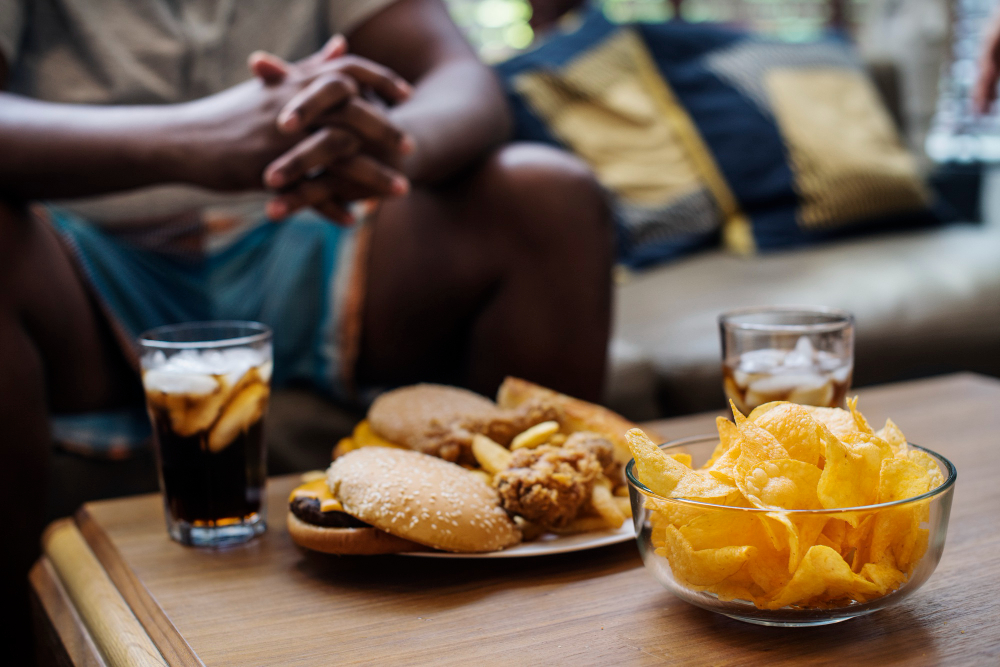
Many foods can raise your risk of kidney stones. Below are the main types to watch out for:
For people in some regions, traditional diets may include many of these foods. For example, diets high in salty pickles or processed snacks are common in some areas. Therefore, it is important to be aware of your local eating habits.
Tips to Reduce Kidney Stone Risk Through Diet
Making small changes to your diet can help prevent kidney stones. Here are some simple tips:
Following these tips can lower your risk and support better kidney health.
Frequently Asked Questions About Foods and Kidney Stones
Conclusion
In summary, knowing the foods that can cause kidney stones is key to prevention. By avoiding high-risk foods and following healthy eating tips, you can protect your kidneys. For the best advice, consult a urologist Dr. Deepak Taneja for personalized guidance on preventing kidney stones.